
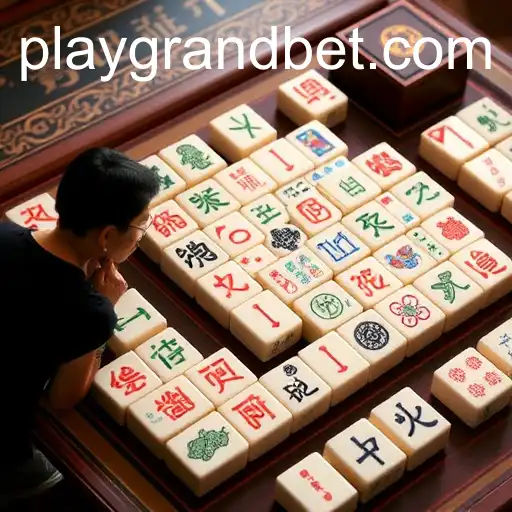
Introduction to Mahjong: A Game of Tradition
Mahjong is a game that transcends cultures and has been a mainstay in gaming communities across Asia. It is more than just a game; it is a cultural phenomenon that has captivated millions with its rich tradition and strategic depth.The Origin and Evolution of Mahjong
While the precise origins of Mahjong remain shrouded in mystery, it is widely believed that it originated in China during the Qing dynasty. Originally played by the upper echelons of society, it gradually permeated all social classes, becoming a staple in Chinese culture. Mahjong’s appeal lies in its complexity and the skill required to master it. Throughout the 20th century, Mahjong evolved, spreading to various parts of the world and adopting new rules and variations.Basic Rules and Objective
Mahjong is traditionally played by four players with a set of 144 tiles based on Chinese characters and symbols. The objective is to build complete sets, known as "melds," and achieve a winning hand, which is often referred to as "Mahjong." Players draw and discard tiles strategically to complete these sets, which makes the game both challenging and engaging.Understanding Mahjong TilesUnderstanding the Different Types of Mahjong Tiles
Mahjong tiles are divided into several categories: suit tiles, honor tiles, and bonus tiles. The suit tiles are further divided into three suits: bamboo, characters, and dots. Honor tiles include wind and dragon tiles, each carrying different values and significance during gameplay. Bonus tiles, often flowers and seasons, add an extra layer of strategy.The Role of Strategy in Mahjong
Winning in Mahjong requires a deep understanding of tile patterns, probability, and opponents' tendencies. Players must anticipate others' moves, adapt their strategy accordingly, and maintain a balance between offensive and defensive play. It is this intricate dance of tactics that makes the game endlessly fascinating.The Cultural Impact of MahjongMahjong in Society: Beyond a Game
Mahjong is deeply entrenched in cultural practices. It holds a special place in family gatherings, serving as a conduit for social interaction and celebration. The game is often associated with holidays and special occasions, fostering connections across generations. In many Asian communities, Mahjong tournaments are common, showcasing the game’s competitive side and bringing people together.99winbet: Bringing Mahjong to the Digital Age
In recent years, digital platforms like [99winbet](https://99winbet.com) have introduced Mahjong to a global audience, allowing enthusiasts to play online at their convenience. These platforms have embraced the uniqueness of Mahjong, offering various versions to cater to different preferences and skill levels. The introduction of online Mahjong communities provides an opportunity for players worldwide to connect, learn, and compete at an unprecedented scale.Adapting to New Audiences
With the rise of online gaming, Mahjong has seen a renaissance. 99winbet, among other digital platforms, has revitalized the game by introducing innovative features and engaging formats that attract younger audiences. Whether through mobile apps or web-based interfaces, these platforms have made Mahjong accessible to everyone, regardless of geographical location.ConclusionMahjong's journey from ancient China to the modern-day digital sphere represents a fascinating evolution. The game continues to thrive due to its rich history, strategic complexity, and the ability to adapt to new technologies. As platforms such as 99winbet bring Mahjong to the forefront of online gaming, the game will likely continue to captivate and engage both veteran players and newcomers alike.